
The Nature of Luck in Gambling
When it comes to gambling, the concept of luck is often surrounded by misconceptions. Many players believe that luck is a constant force that can be influenced through rituals or lucky charms. However, luck is fundamentally a matter of chance and probability. Each outcome in games of chance, such as slots or roulette, is determined by random number generators or physical mechanics that ensure fairness and unpredictability, including options like the best online pokies australia payid that many enjoy. Understanding how luck operates can help players maintain realistic expectations and approach their gaming experiences with a clear mindset.
This belief in luck can lead to a mindset where players feel encouraged to make irrational decisions, like gambling more after a loss, thinking that they are “due” for a win. In reality, past outcomes have no bearing on future results in games governed by randomness. Players must recognize that every round is an independent event, and outcomes are not influenced by previous plays. By dispelling these myths, players can adopt a more rational approach to their gameplay.
Luck is often romanticized within the context of gambling, depicted in movies and literature as a magical force that can be harnessed. However, this portrayal can lead to false beliefs about gambling’s nature. While some players may experience winning streaks or fortunate plays, these occurrences are generally statistical anomalies rather than indicators of skill or an ability to control luck. Understanding these realities can empower gamblers to make informed decisions.
The Role of Skill versus Luck
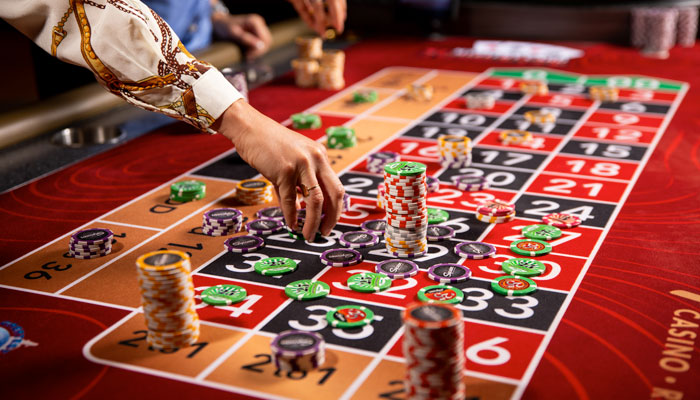
The debate over skill versus luck is central to understanding casino play. In games like poker, skill plays a significant role, where player decisions, strategies, and the ability to read opponents can significantly impact outcomes. Contrastingly, games such as slots or roulette are predominantly based on chance, where chance dictates every outcome. This distinction is crucial for players, as it highlights where effort and strategy can yield improved results versus where luck is the only influencing factor.
In skill-based games, seasoned players utilize strategies and experience to enhance their chances of winning. Knowledge of probabilities, psychological tactics, and risk management can provide a competitive edge. Conversely, in games reliant solely on luck, players often face the realization that the outcome is beyond their control. This understanding can shape a player’s approach to different games and help them choose wisely between skill and chance-based options in casinos.
Ultimately, while luck undeniably plays a role in all gambling, the impact of skill can lead to greater success in certain contexts. Players should consider their strengths when choosing their games and be aware that while they can enhance their skills in certain scenarios, luck remains an unpredictable element that will always influence gambling outcomes. Balancing these factors is key to developing a successful gaming strategy.
Superstitions and Their Influence
Superstitions are perhaps the most colorful aspect of gambling culture, with players often holding onto specific beliefs that they think can sway luck in their favor. This can include everything from wearing lucky clothing to performing certain actions before placing a bet. While these rituals may foster a sense of comfort and confidence, it’s essential to realize that they have no actual bearing on the outcome of games governed by chance.
The prevalence of superstitions in gambling can be traced back to human nature’s desire to find control in uncertain situations. This quest for control often leads players to cling to these beliefs, even in the face of overwhelming evidence that chance rules the outcomes. While engaging in a little superstition can be entertaining or enhance a player’s emotional experience at the table, it is crucial to keep in mind that these beliefs do not influence real-world results.
Ultimately, while superstitions may provide a psychological boost or a personal connection to the game, they do not alter the inherent randomness of gambling. Players must be cautious not to let these beliefs cloud their judgment or lead them to irrational behaviors. Understanding that luck operates independently of personal rituals can lead to improved decision-making and enhance overall enjoyment of the gambling experience.
Understanding Game Odds and House Edge
One of the most practical aspects of casino play is understanding the odds and the concept of house edge. Each game in a casino is designed with a built-in advantage for the house, meaning that over time, the casino is guaranteed to make a profit. This doesn’t mean that players cannot win; however, understanding these odds can help players make more informed decisions about which games to play and how to manage their bets effectively.
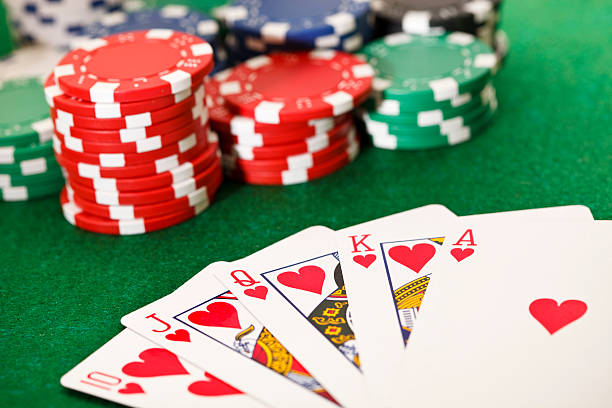
For instance, games such as blackjack and video poker can offer favorable odds for players who understand the strategies involved, whereas games like slot machines often have much higher house edges. Players should educate themselves on which games offer better returns and how to optimize their gameplay through strategic betting. Knowledge of the odds allows players to understand the likelihood of different outcomes, which can contribute to a more responsible gaming experience.
Moreover, understanding the house edge can shift a player’s mindset from that of relying solely on luck to one where informed choices take center stage. Recognizing that certain games may favor the player through better odds can encourage individuals to focus on strategies and skills that can enhance their experiences rather than be swept away by the notion of luck. By prioritizing knowledge of game mechanics and house advantages, players can approach gambling more strategically and with greater awareness.
Your Journey to Responsible Gaming
As players embark on their journey in the world of casino gaming, it’s important to cultivate a responsible gaming mindset. Engaging with games should be viewed as a form of entertainment rather than a surefire way to generate income. By recognizing the role of luck and understanding that the outcomes of games are often beyond their control, players can create a more enjoyable and less stressful experience.
Establishing personal limits on time and money spent in casinos is a fundamental step toward responsible gambling. This includes setting a budget, knowing when to walk away, and avoiding the temptation to chase losses. When players prioritize fun over financial gain and maintain a clear understanding of the randomness of casino games, they greatly enhance their overall enjoyment and safeguard against potential negative consequences.
Additionally, seeking community support and resources can be beneficial for players looking to maintain responsible gaming habits. Many casinos offer tools and guidance to help gamblers stay within their limits and understand the importance of balanced gaming. By embracing a responsible approach, players can enjoy all that the gaming world has to offer while minimizing risks and promoting a healthier relationship with gambling.